
Tag Archives: Amherst College

Parke Lutter And The Art of Becoming Who You Already Were
Amherst isn’t known for launching fashion designers and entrepreneurs, but that’s just one of the reasons why this conversation with Parke Lutter was so much fun.
This talent has been building inside of him since his childhood in the Midwest, where he made clothes for one of us stuffed animals, his friends, and even a prom dress for his sister. Still, Parke hadn’t awakened to that interest as a professional possibility when he arrived at Amherst imagining a Wharton-bound career in business. His study abroad in Paris, the friendships he formed, and his own coming-out process helped him understand that his childhood instinct to make things wasn’t just a hobby.
We also talk about the birth and evolution of Parke & Ronen, the fashion and lifestyle brand he co-founded with his now-husband, and how building a business that has lasted nearly 30 years has required resilience, reinvention, and a willingness to keep learning. Parke shares how his creative process has changed with age and how he’s thinking about the next phase of life, including questions about legacy, freedom, and what work might look like when you finally have the option not to do it.
Highlights include:
The role Amherst played as a safe, transitional place where Parke learned to think, create, and understand himself more fully.
The creative “constellations” Parke builds from travel, culture, mood, and the world around him.
What aging has changed about his creative muscle.
How he’s thinking about the future: succession, legacy, creativity, and the possibility of a very different rhythm of life.
The classmates he wants to hear from next
To get in touch, email Parke at parke@parkeandronen.com, and follow Parke & Ronen on social.
Recommendation we made in the episode: Strength to Strength by Arthur Brooks.
Note that the episode contains one use of profanity.

Deb Thalheimer Long Listens Her Way to a Life of Meaning
Deb Thalheimer Long’s career and life since graduating with me from Amherst College have been marked by subtle yet profound transformations. From Wall Street to academia, from the Baltimore public schools to the hospital floor, Deb has navigated big career pivots with intentionality. Now a nurse specializing in wound care and infusion therapy, she brings to her patients the same attentiveness she has offered students, colleagues, and friends: an ability to read people gently, listen deeply, and act thoughtfully.
The conversation explores how her gift for quiet perception, honed at Amherst through the close reading of texts and refined through her study of literature, theology, and now medicine, has shaped her approach to work, family, and community. Her story is one of continuous learning and service, and of finding profound meaning in small, human acts of compassion. Along the way, she shares lessons she’s passed on to her two grown sons, both out in the world now, and the two bits of terrific life advice they’re most likely to say they hear from their mom.
Episode Highlights:
How Deb’s winding path from finance to French literature to nursing reflects a life lived with intention.
The subtle art of listening, and how she uses it to discern both what people say and what they can’t quite express.
What she’s learned about compassion from her students, her patients, and her own aging parents.
The role Amherst played in teaching her to read closely, not only books, but people.
The simple but powerful advice she’s passed along to her children about integrity and accountability.
Plus, she nominates two new classmates to appear in the guest’s chair.
You can email Deb at DeborahTLong22@gmail.com.
Matt Sawyer Has Found His Forever Team
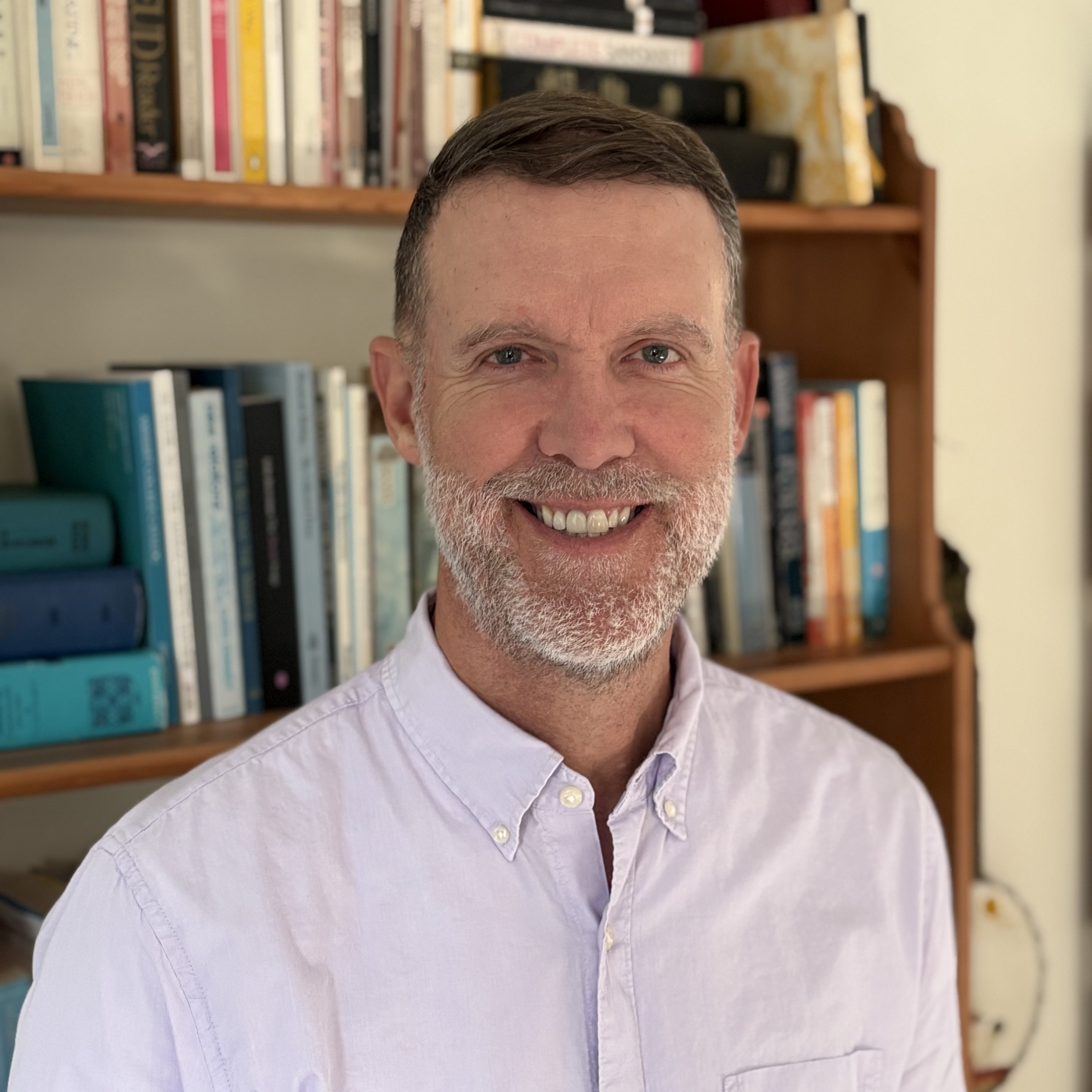
Matt Sawyer has built a career rooted in one place: the Williston Northampton School in Easthampton, Mass., where he’s taught English, coached baseball and football, and served as ninth-grade dean for more than three decades. In a world that celebrates mobility and reinvention, Matt’s story is one of steadfastness and the value of deep community attachments.
This conversation explores how teaching has changed since the 1990s, why he’s finally stepping away from coaching varsity baseball after 30 seasons, and how much he’s looking forward to watching more of his children’s college athletics careers instead of leading practices himself. Matt reflects on building strong team culture, the lessons learned from Amherst football’s ups and downs, and how the classroom can remain a place for curiosity and honest disagreement, even in an age of AI and youthful risk aversion.
Highlights include:
Longevity with purpose: Matt has spent his entire post-Amherst career at Williston, finding new ways to grow within the same community rather than leaving it.
Shaping culture over chasing wins: He believes that strong team culture not only enriches students’ lives but often leads to more success on the field.
A coach’s evolution: After 30 seasons leading varsity baseball, he’s trading the dugout for the umpire’s mask and embracing a new vantage point on the game.
Teaching in the AI era: His English department has gone “old school,” emphasizing pen-and-paper writing and face-to-face discussion as antidotes to digital crutches.
Lifelong impact: Inspired by Amherst professors like Barry O’Connell, Matt sees teaching as a way to meet students where they are and help them through life’s hardest transitions.
A family woven into campus life: Matt and Sarah’s (Class of ’97) home, work, and family life intersect daily, making the Williston community an extension of their own.
Matt also shares whom he hopes will take the mic next.
You can email Matt at msawyer@williston.com or call or text him at 413.695.8370.
David Young Finds Hope and Purpose Amid USAID’s Abrupt End
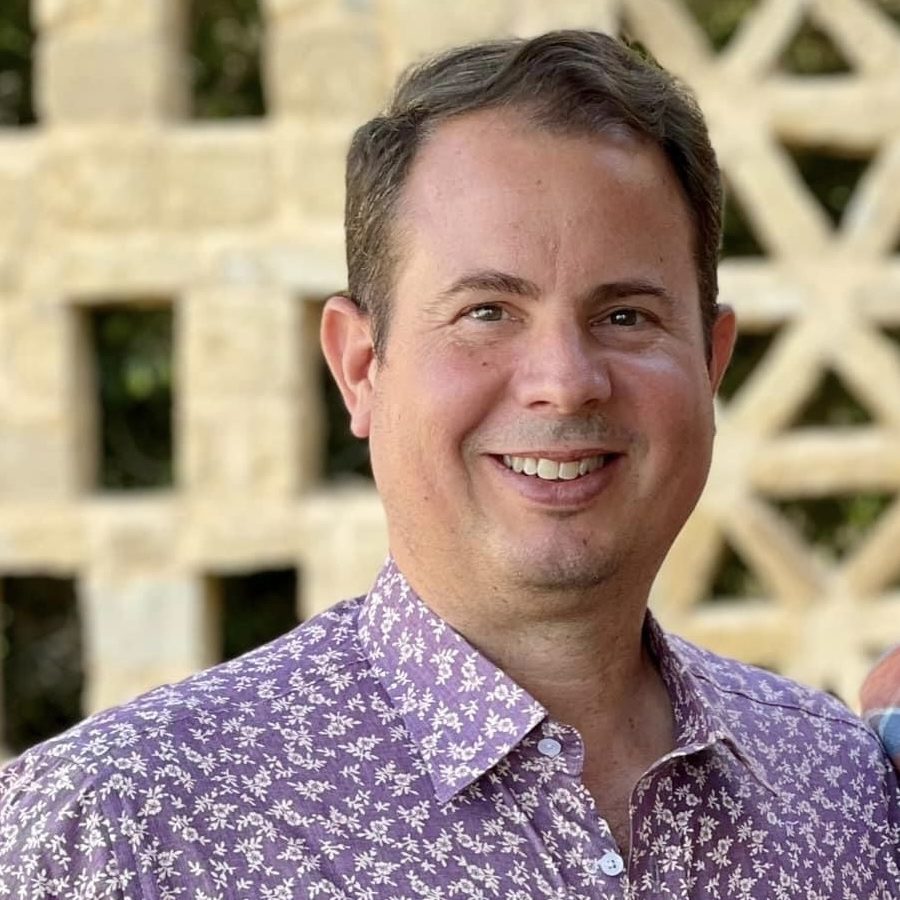
When I started the Amherst College part of this podcast, I wanted to capture the stories of my 1994 classmates who’ve navigated big pivots in their lives. Few stories embody that better than David Young. He joined me from Mozambique, where he and his husband make their home.
David’s career has taken him from Amherst’s ROTC program to the Air Force JAG Corps, then into a remarkable 20-year run with USAID. His tenure ended abruptly when the agency was dismantled earlier this year. His reflections on that loss, and the grace and perspective he brings to this moment, are inspiring.
We talk about his journey all over the world, his pivotal role in South Sudan’s independence referendum, and what it’s like to help shape democracy and development from the inside out.
Highlights:
How his upbring led to a life of global service.
The emotional impact of USAID’s sudden shutdown, and how he’s processing it.
His firsthand memories of historic moments like South Sudan’s independence and Ukraine’s 2013 revolution.
Why he’s hopeful about helping rebuild the global development field, possibly from the classroom.
The next classmates David wants to hear from next.
You can email David at w.d.young.94@gmail.com.

Zack Henry Has Mastered The Art Of Connection
Since our freshman year in Morrow (“Psycho Ward”), Zack Henry has built a life that’s taken him across the globe. He’s lived on four continents, worked on six, and led projects ranging from energy dialogues in Saudi Arabia to business development in New York and São Paulo. But at the heart of his story is something simpler and deeper: a belief in what he calls “the hidden pass.” Borrowed from soccer, it’s his metaphor for the unexpected connections between people and ideas that unlock opportunity.
In this episode, Zack and I talk about his life as a global connector and the balance he’s learning to strike now between professional ambition and being present for his two kids. We also get into how he’s reinvented himself over and over again, from entrepreneur to executive to coach, and what that’s taught him about curiosity, connection, and growth.
Highlights include:
Memories from the “Psycho Ward” and the Amherst friendships that started it all
What it means to be a “recruiter’s worst nightmare,” and why that’s a good thing
Lessons from a global career and the importance of staying curious
The classmate he wants to hear from next
You can email him at zackhenry@gmail.com.

Jessica Smith Sent Climate Instruments To The Edge Of Space. Now, She’s Reimagining Her Path.
Thirty years ago, a Boston Globe classified ad launched Jessica Smith into a career at Harvard, where she built bespoke instruments and launched them on NASA’s converted U-2 aircraft, flying at 70,000 feet to read the chemistry of our stratosphere. In this conversation, she traces the improbable path from Amherst’s machine shop to equipping these delicate high fliers for experiments over the Arctic winter, tracking ozone recovery, and measuring changes in and storm impacts.
After a federally funded program cut led to a layoff in March, Jessica is candid about resilience, reinvention, and where that Amherst-honed knack for figuring things out might take her next: faculty life, lutherie (look it up), or starting a delightfully serious soft-serve ice cream business. Along the way, she reflects on a pivotal senior-year “academic blowout,” the joy of hands-on work, and what’s at stake when long-running climate data sets and training pipelines are disrupted.
To get in touch with Jessica, email her at jessica.b.smith@hotmail.com or find her on LinkedIn.
Erin Cowhey Designs Spaces That Tell Her Clients’ Stories
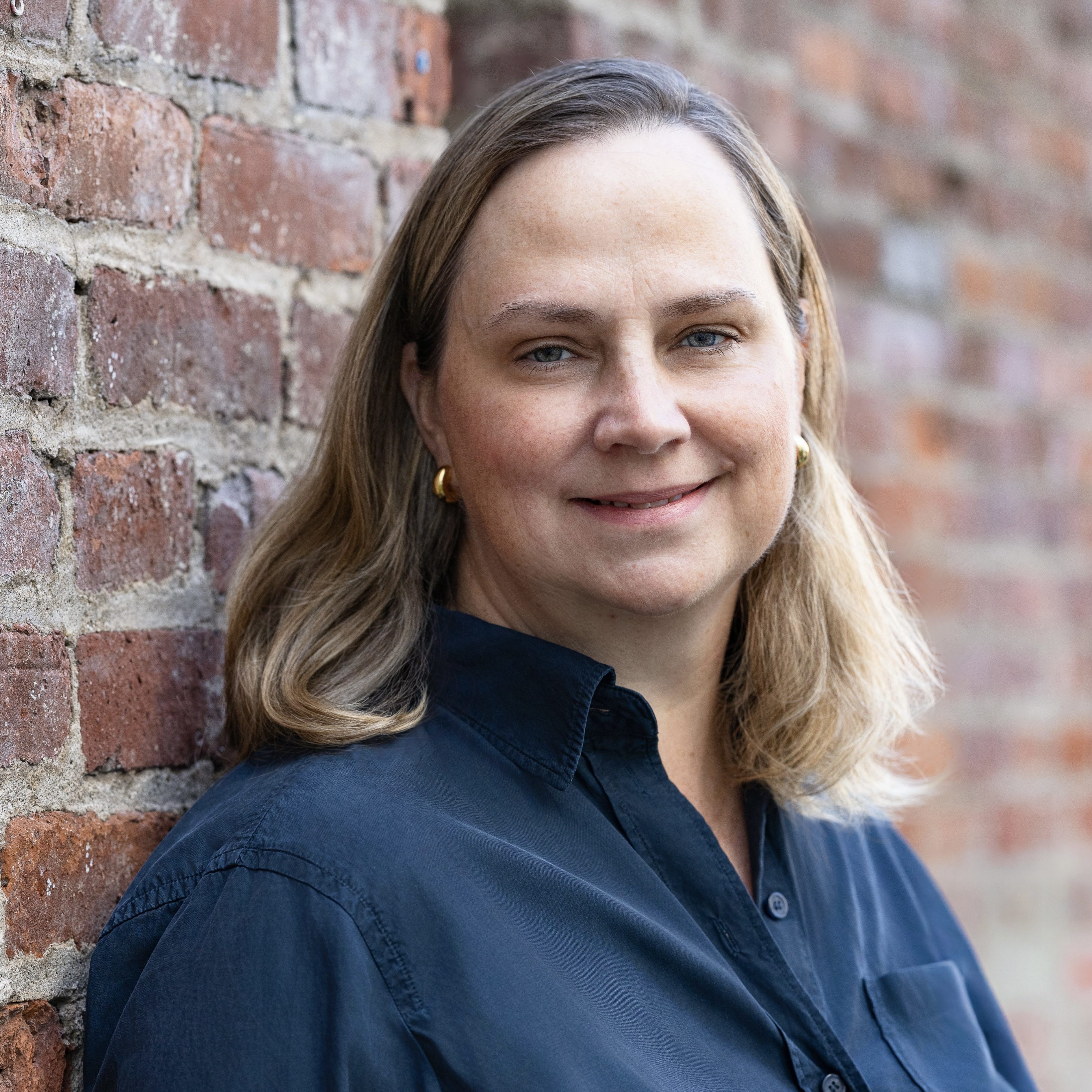
Erin Cowhey is an Amherst College classmate and architect whose profession is awfully interesting its own right, but it interests me more than ever now that my daughter works as an interior designer. Erin runs her own firm in Brooklyn but wasn’t always destined for the field. She enrolled at Amherst with every intention to go pre-med before pivoting to architecture. In this episode, she talks about how personal tragedy reshaped her career path and how she’s balanced running her own firm with raising a family in New York City. What emerges is a portrait of someone who designs homes with the same care she’s taken to designing a meaningful life.
Highlights include:
Pivot with purpose: Erin’s fascination with art and architecture led her to trade medicine for design.
Resilience in loss: After losing her first child, she rebuilt her life and career by starting her own firm, prioritizing flexibility and family.
Brooklyn life, fully lived: She reflects on the joys and contradictions of raising kids in the city she and her husband, a landscape architect, love so deeply.
Design as storytelling: Erin views every project as a chapter in her clients’ lives: spaces that evolve as families grow and change.
Looking ahead: With her children nearing college, Erin is eager to take on larger, collaborative projects and to keep exploring creativity on her own terms.
Plus, Erin nominates two new guests to go next.
To learn more about her practice and get in touch, email her at erincowhey@gmail.com or visit her website, erincowhey.com.

Brian Clark Heals Others – And Himself – From Trauma
Brian Clark transferred into our Amherst Class of 1994 having emerged from a childhood marked by instability and deep family pain. Today he serves as Director of Partnerships in Technology at the Spiritual Life Center in Hartford, where he helps others find healing through faith, psychology, and honest self-examination. Brian talks about growing up in a home dominated by an abusive father, the moment he chose to break free from the cult his dad started, and what it means to be both a healer and still healing. We also talk about post-traumatic growth, the “second half of life,” and the role Amherst and music have played in his journey toward wholeness.
In this episode, we discuss:
How Brian’s relationship with his controlling, abusive father shaped his understanding of faith and identity
The moment he chose to end generations of trauma and begin his own healing
What post-traumatic growth looks like and how pain can lead to purpose
Whom from the Class of ’94 he wants me to interview next
To get in touch, email Brian at bcurtisclark@gmail.com. You can learn more about the Spiritual Life Center in Hartford at https://www.spiritlifectr.org/
Additional resources:
To learn more about spiritual companionship, click here. https://www.spiritlifectr.org/find-spiritual-support#IndividualSpiritualCompanioning
To hear some simple recordings of the chants that Brian sings: https://audio.com/brian-clark-4
Update: Justin Neely Reflects On The Fire That Destroyed His Art Studio And The Path Forward
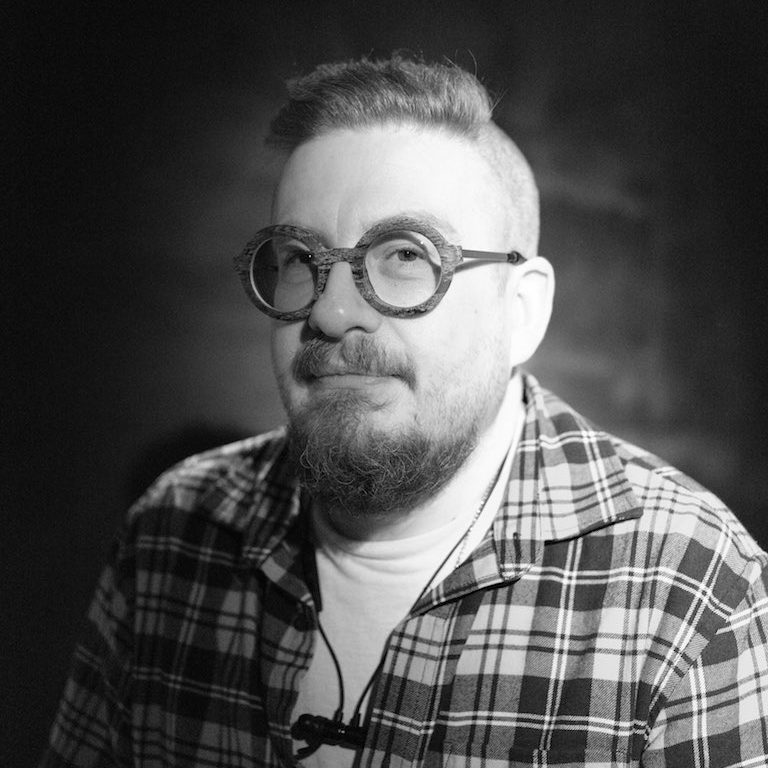
On September 17, a 19th century warehouse located in Red Hook, Brooklyn, went up in flames, resulting in a five-alarm response that was unable to spare Justin Neely’s art studio home of over 12 years. He’s facing the loss of every painting he has ever made, photographs that chronicle his life, computer equipment, and a treasured collection of sports jerseys.
In this episode, Justin demonstrates remarkable generosity of spirit, acknowledging that others have it worse and that authorities who are trying (and sometimes failing) to help have the best of intentions. He has a tough road ahead, but he’s showing the sort of resilience that I believe will get him through it.
If you’d like to help support Justin, there are a couple of ways to do it. You can reach out to him directly (justin.neely@gmail.com, @jn33ly on Instagram). You also can contribute to a GoFundMe he has established to help him relaunch his art practice: https://www.gofundme.com/f/red-hook-fire-plea-and-protest-justin-neely
Finally, at Justin’s request he encourages listeners to enjoy his podcast at 2x speed. I don’t think that’s necessary, but I promised to mention it.

Jason Spero Is Learning From Both Endings and Beginnings
Jason Spero is going through a lot of change. His father recently passed away following a years-long battle with Alzheimer’s. His youngest child is in the back half of her high school years, and after nearly two decades helping to build Google’s mobile advertising business, he is stepping away from a big job to chart a new path, one shaped by family, community, and the lessons of mortality and loss.
In this candid conversation, Jason opens up about caring for his father during his battle with Alzheimer’s, preparing to send his daughters into adulthood, and the clarity he’s gained on how finite our time is. He reflects on the pride and worries that come from shaping the mobile and digital industry, and why he’s now turning his focus to entrepreneurship, technology for climate solutions, and reimagining community in an increasingly digital age. Jason also shares how Amherst set the foundation for his curiosity and critical thinking, what he hopes to impart to his own kids, and why liberal arts matter more than ever in an AI-driven world. And of course, he nominates the next classmates he hopes to hear on the show.
You can email Jason at jason.spero@gmail.com.
Resources Jason mentions:
Video – We Only Deserve a Styrofoam Cup: https://youtu.be/FNf1pKRhay8?si=czeWR5fizxc0afbN
Book – Strength to Strength by Arthur Brooks: https://a.co/d/ignmyTZ
 Matt Collins' Blog